


Avalanche Explosive Magazines – Supporting Public Safety
Safety from the Air in the High Mountains
When heavy snowfall accumulates on steep mountain slopes during winter, the risk of avalanches increases significantly. To protect ski resorts, transportation routes, and residential areas, many alpine regions rely on permanently installed Wyssen avalanche control systems. These systems play a vital role in public safety by enabling the controlled release of avalanches under safe conditions.
Particularly in ski resorts and along roads, railway lines, and exposed settlements, these installations make an important contribution to protecting both people and infrastructure. By triggering avalanches in a controlled manner, unstable snowpacks can be released before they develop into large, uncontrolled avalanches.
Air Transport and Supply
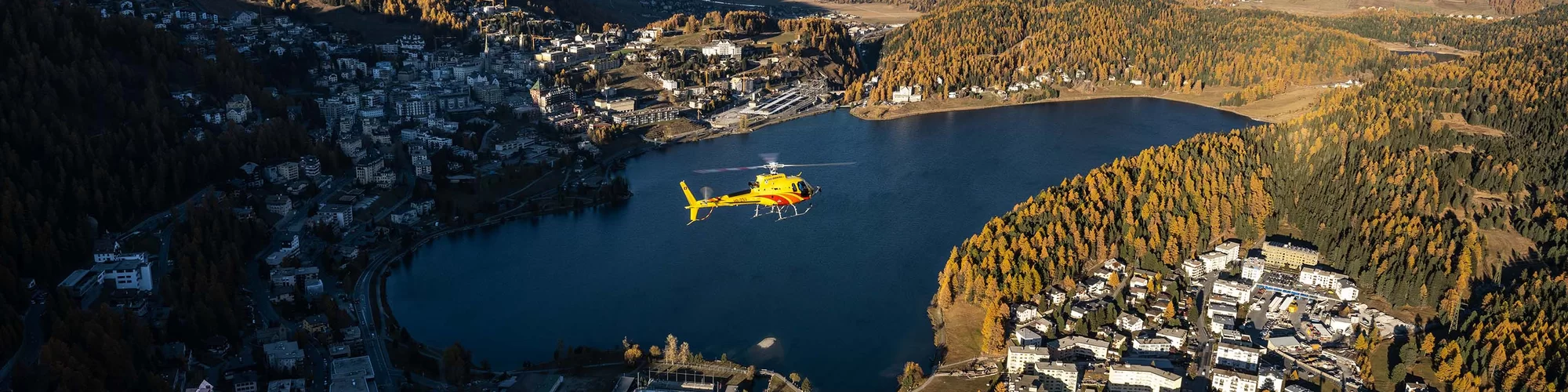
As the Wyssen explosive magazines are usually located in remote, high-altitude terrain, helicopters are essential for transporting and servicing them.
At the beginning of the winter season, the magazines are loaded with explosives, installed on the Wyssen towers, and commissioned. Throughout the season, they are replenished whenever necessary to ensure that sufficient explosive charges are always available for avalanche control operations.
Once winter has ended, the magazines are dismantled, and any unused explosive charges are safely removed.
How Does a Wyssen Explosive Magazine Work?
A Wyssen explosive magazine is specifically designed for use in harsh alpine environments. The weatherproof containers safely store explosives and ignition systems, protecting them from snow, wind, and extreme temperatures.
The system can be activated remotely by radio, eliminating the need for personnel to enter hazardous avalanche terrain.
When triggered, the explosive charge is released from the magazine and remains suspended on a special cord just above the snow surface until detonation. This creates a precisely targeted pressure wave that destabilizes weak snow layers, allowing small, controlled avalanches to be released before larger, more dangerous avalanches can form.
Through these operations, we make an important contribution to safety in the Alps, helping to ensure that winter sports enthusiasts, local residents, and road and rail users can travel safely throughout the winter season.